
Wine etiquette is a vast realm, often shrouded in mystique. The variety of flavors, origins, and labels can be intimidating, especially for beginners. But fear not; with the correct information and a dash of curiosity, anyone can be on their way to becoming a wine expert.
Knowing The Basics: Wine Styles And Varieties
The initial step in your wine journey is to familiarize yourself with the different styles and varieties of wines. This isn’t a show-off game; it’s about boosting your satisfaction and awareness. Wine styles are typically characterized by the types of grapes used and the regions they originated from.
In your wine exploration, you’ll encounter various types:
- Red Wine: These wines get their color from the contact of the grape juice with the skin. They’re further divided into numerous varieties based on the grape type and region.
- White Wine: Contrary to popular belief, white wines aren’t produced from white grapes alone but can also be made from red grapes. It’s the absence of skin contact during the juice extraction process that maintains their light color.
- Rosé Wine: This wine type is unique in its pink hue, achieved by a shortened skin contact period, making it a delightful middle-ground between red and white wines.
- Sparkling Wine: Renowned for its bubbly personality, these wines undergo a secondary fermentation process that infuses effervescence. Champagne, a world-famous sparkling wine, comes from the Champagne region of France.
To learn more comprehensively about the world of wines, particularly its different types, consider getting a Sommelier Certification. This is a professional credential earned by individuals who have undergone specialized training and examinations in wine tasting, service, and food pairing, affirming their expert knowledge in the field of wine.
Understanding Wine Labels: What’s In A Name?
Interpreting wine labels can sometimes be a conundrum. Usually, these labels present vital information, including the producer’s name, origin region, grape type, and year of production or vintage.
Interestingly, the naming conventions for wines differ based on geographical locations. For instance, European wines typically take their names from the region they hail from. Think ‘Bordeaux’ or ‘Chianti’—these wines are named for their respective regions in France and Italy.
On the flip side, New World wines, like those crafted in the United States, generally adopt the name of the grape variety used in their creation. Therefore, you’ll encounter names like ‘Cabernet Sauvignon’ or ‘Chardonnay.’ With this insight, deciphering wine labels won’t seem so daunting after all!
The Art Of Wine Tasting: See, Swirl, Smell, Sip, Savor
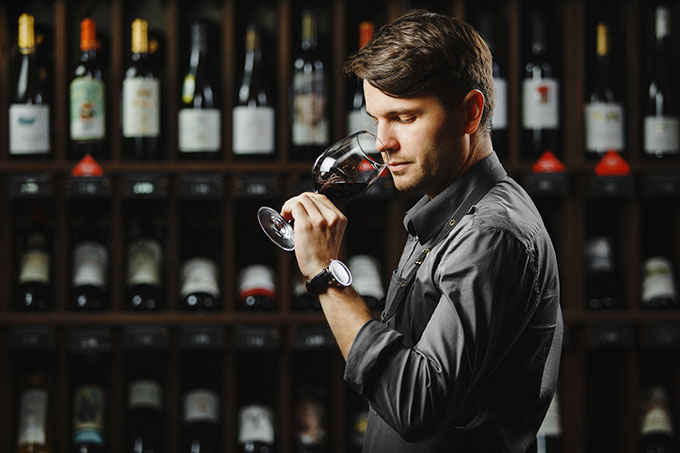
The art of wine tasting is a sensory affair that engages all your senses and enhances with practice. To truly appreciate a glass of wine, a systematic approach is recommended. This method is often called the 5 S’s: See, Swirl, Smell, Sip, and Savor.
Below are tips to guide you through the process:
- See: Begin by observing the wine’s color. The hue can provide valuable insights into the wine’s age and the grape variety used.
- Swirl: Gently swirl your glass to release the wine’s aromas. This swirling motion can reveal subtle nuances about the grape type and the wine’s origins.
- Smell: After swirling, bring the glass to your nose and inhale the scent. This sniff test can tell you much about the wine’s flavor profile before your first sip.
- Sip: Now it’s time to taste. Take a small sip, allowing the wine to coat your palate. Try to identify the different flavor components.
- Savor: Lastly, savor the experience. Take a moment to reflect on the taste, the texture, and the overall enjoyment of the wine.
Remember, wine tasting isn’t about hurried consumption; it’s about taking the time to engage with the wine and appreciate its intricacies.
Decoding Wine Vocabulary: Speak Like An Expert
In the realm of wine, grasping specific terminology can heighten your understanding and enjoyment. Wine enthusiasts commonly use certain terms to define the taste and texture of wines.
Let’s unpack some of these frequently used terms:
- Body: This refers to the weight or fullness of the wine on your palate. Wine can be described as light-bodied, medium-bodied, or full-bodied.
- Tannin: Tannins are compounds that add bitterness and complexity to wines, often making them taste dry. They’re primarily found in red wines, adding structure and longevity.
- Acidity: Acidity in wine is crucial for its balance. It brings about the tartness and freshness in wine, making your mouth water.
- Fruit-Forward: A wine is said to be fruit-forward when its fruit flavors are dominant and at the forefront, often indicating a younger wine.
Getting accustomed to these terms will enhance your wine-tasting experience and allow you to converse confidently about wines, just like an expert.
Food And Wine Pairing: Complementing Flavors
Wine can genuinely enhance your culinary experience when paired with the right dishes. For instance, a light, crisp white wine like Sauvignon Blanc pairs beautifully with delicate dishes such as grilled fish or a light salad. On the other hand, a robust, full-bodied red wine like Cabernet Sauvignon can stand up to hearty meals, making it a perfect match for a juicy steak or a rich, meaty lasagna.
Storing And Serving Wine: Keeping It Fresh
Preserving the quality of your wine relies heavily on how you store and serve it. Proper storage and serving conditions ensure your wine retains its freshness and unique character.
Here are some key considerations:
- Store wines at a cool temperature, typically between 45-65°F. Avoid places with temperature fluctuations.
- Keep your bottles away from direct light, as it can cause the wine to age prematurely.
- When it comes to serving, chill your white wines to highlight their crispness.
- Conversely, red wines should generally be served at room temperature to enhance their complex flavors.
With these guidelines, you’ll be well-equipped to savor your wines at their best!
Conclusion
With these tips, you’re well on your way to becoming a wine expert. Wine etiquette isn’t about hard and fast rules, but rather, it’s about understanding and appreciation. So, venture forward, explore, and, most importantly, enjoy your wine journey.


Leave a Reply