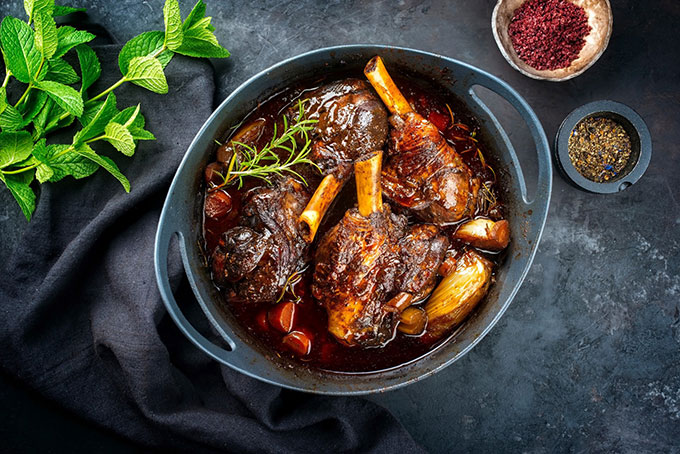
Once a sheep that’s less than a year old is slaughtered, the meat is referred to as a lamb. This meat is more tender and flavorful than mutton, the meat from an older sheep. In most cases, lamb is eaten in spring, but there’s no reason to wait so long while you can easily access and prepare lamb for you and your family.
Unfortunately, most people don’t know much about lamb, mainly its health and nutritional benefits. If you’re that kind, you might need to continue reading to learn more about how lamb can benefit your health and understand its unknown facts. Read on for the information.
- It’s A Perfect Source Of Protein
One three ounces of lamb serving equals 23 grams of protein, close to half the daily protein intake recommended for a grown-up. Athletes, individuals who have had surgery or are treating injuries, and those looking forward to losing weight require a protein-rich diet, and lamb might be the ideal option. Regardless of your reason for requiring a protein-rich diet, consider ordering a good lamb cut from The Meat Box or similar meat shops to get a fair share of protein.
- It’s Easy To Cook
In most cases, lamb isn’t ordered in food outlets; it’s primarily prepared at home. This fact shouldn’t worry you, especially if you’re planning on having lamb for your family meal sometime soon. It’s easily cooked and doesn’t require high-level cooking skills. You can make delicious lamb with a good recipe book and cook like a pro. Common lamb preparation methods include roasting, broiling, braising, and grilling.
- It’s Best Cooked Slow
While there are many easy ways to cook lamb, it’s more delicious when simmered. The next time you prepare the lamb, consider placing it in a slow cooker for a day or night, and you might wonder why you have never tried it before. The deliciousness is on another level.
- It’s A Good Source Of Vitamins And Minerals
Most people who like and dislike lamb aren’t aware that it is vitamin and mineral rich. Among these minerals are:
- Selenium
Lamb is rich in selenium, a trace mineral required by the body in small amounts. Selenium helps form DNA and prevents cell damage and infections. It also helps in the production of thyroid hormones.
- Niacin
Niacin, or vitamin B3, is an essential mineral that enhances body functions. Lack of it in the body can lead to high heart disease risk.
- Vitamin B12
Vitamin B12 enhances the formation of blood and brain function. Vitamin B12 is mainly found in meat and is lacking in vegetables. That said, vegetarians are at high risk of this mineral deficiency, meaning they’re at risk of developing anemia and other health issues related to its deficiency.
- Zinc
Zinc is found in meat and vegetables but is adequately absorbed from the former. It helps in growth and hormone formation.
- Iron
Lamb has more heme iron which can be efficiently absorbed than non-heme from plants.
- Phosphorus
This mineral facilitates body growth and conservation.
- It’s Healthier Than Beef
When compared to beef, lamb is healthier. That is because lamb mainly feeds on grass, thus having plenty of omega-3 fatty acids. Even when compared to grass-fed beef, lamb will always take the lead.
- Americans Rarely Eat Lamb Compared To Other Meat
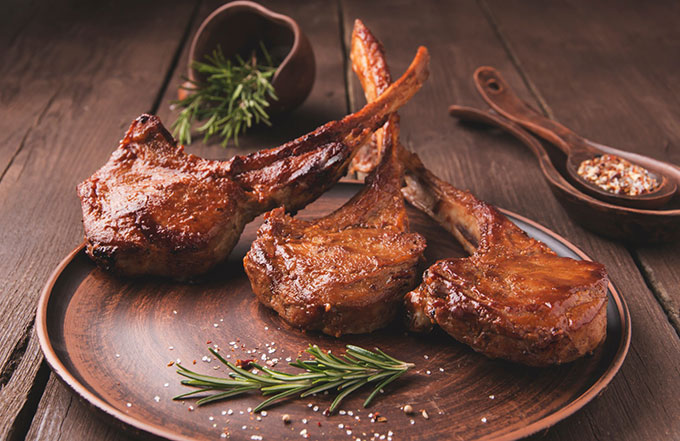
Americans are among the top eaters of pork, beef, and poultry. They’re among the leaders on the list of people with poor lamb consumption. As per the US Department of Agriculture Economic Research Service, an average US citizen ate less than a pound of mutton and lamb in 2020. Poor lamb consumption might have resulted from a lack of sheep meat when sheep were first brought to America in the 16th century and the fact that they were eaten seasonally.
Additionally, lamb has a reputation for being stringy and tough. It’s also associated with an intense flavor. It’s vital to note that sheep were raised to produce wool before they were used for meat, producing tougher meat since they were already old when it came to consuming them. As a result, consumers associated sheep meat with toughness, making it their least favorite. However, lamb is currently produced solely for meat, giving a tender and flavorful product.
- Can Pose Health Risks
As with other red meat, excessive lamb consumption can increase your chances of having chronic health issues like diabetes, stroke, heart disease, and prostate and breast cancer, among others. Therefore, moderately consuming lamb and other red meat are advisable to keep yourself away from such illnesses. Also, ensure you handle lamb with care to avoid foodborne health issues.
Conclusion
When prepared well, lamb is among the most delicious meats one can come across. It’s easy to prepare and goes well with most foods. However, most people are yet to include lamb in their recipes, especially those who aren’t used to eating it or haven’t come across a well-cooked one. Nevertheless, lamb consumption is on the rise, and maybe as time passes, most people will yearn for more. Remember, eating red meat in moderation is always the key to avoiding chronic ailments.




Leave a Reply