The gentle caress of a sea breeze, the rhythmic lullaby of crashing waves, and the allure of a sunset over the horizon — the ocean is a world of wonders. Yet, beneath its shimmering surface lies a culinary treasure trove: seafood. For many, seafood is the embodiment of summer dinners on the deck, lavish meals at upscale restaurants, or the simple joy of a family gathering around a pot of shrimp boil.
But the adventure doesn’t have to be confined to these moments. Imagine recreating these delectable experiences at home. Tempting, isn’t it? Dive in with us as we explore selecting top-notch fresh and frozen seafood, weigh fresh vs frozen seafood, and sail through the vast oceans of seafood preparation. All aboard!
Selecting the Best of the Sea: Fresh and Frozen Seafood
Journeying to the seafood aisle, you’re met with a plethora of choices. With gleaming eyes, fresh fish beckon, while packs of frozen seafood offer convenience. What to pick?
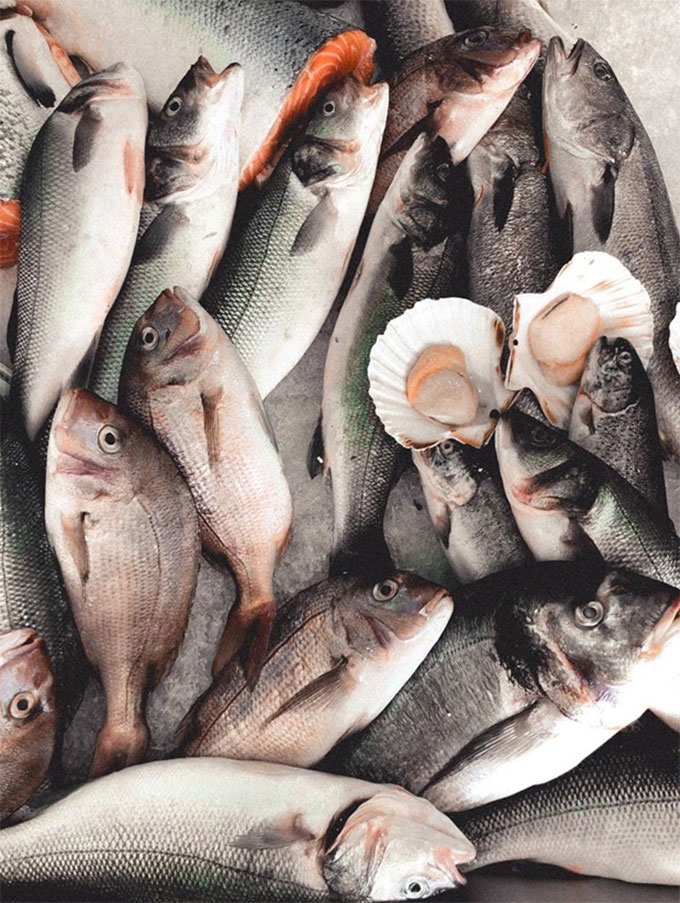
When scouting for fresh seafood, you’re on a quest for freshness. Fish should have clear, bright eyes and firm, springy flesh. There’s an expectation of a clean smell, reminiscent of the ocean, not an overpowering fishy odor. For shellfish, closed shells are your allies. If they’re open? Give them a gentle tap. They should close; if not, they might be past their prime.
Frozen seafood, on the other hand, carries its charm. Often flash-frozen at peak freshness, it can retain its flavor and nutritional value. The packaging should be intact, without any visible ice crystals or signs of freezer burn.
The Age-Old Debate: Fresh vs Frozen Seafood
This debate has seen many tides. Both fresh and frozen seafood sail with their strengths and weaknesses.
Fresh Seafood
Pros: Immediate consumption ensures peak taste and texture. It’s often local, supporting nearby fisheries.
Cons: Limited shelf life, availability can vary based on region and season.
Frozen Seafood
Pros: Longer shelf life, often more affordable, and availability isn’t tied to seasons.
Cons: If not thawed correctly, texture can suffer. Sometimes it’s frozen long after being caught, reducing freshness.
The bottom line? It’s not so much about which is better with fresh vs frozen seafood, but knowing how and when to use each.
The Art of Thawing: Unlocking Seafood’s Potential
Frozen seafood, when treated right, can rival its fresh counterparts. Key to this? Thawing.
The refrigerator method is the hero here. Place the seafood in its original packaging on a plate, setting it in the fridge for hours (or even overnight for larger cuts). This gentle thaw retains texture and taste. Quick-thaw methods, like using cold water, are there for the impatient among us. However, it’s crucial to cook immediately after to ensure safety.
Microwave thawing? That’s a risky voyage, often leading to partially cooked seafood. Best to steer clear for most seafood preparations.
Cooking Chronicles: From Salmon to Oysters and Beyond
Seafood’s spectrum is vast, and each type sings its culinary song.
Salmon: Its rich, buttery taste is a favorite. Whether grilled, pan-seared, or baked, its flavor profile is versatile. A simple herb crust or a citrusy glaze, and you have a dish that’s hard to resist.
Tuna: A steak of the sea. Searing is its best friend. A hot pan, a touch of seasoning, and a couple of minutes on each side. Voilà!
Oysters: These require a delicate touch. Steaming or grilling are popular paths. Serve with a squeeze of lemon or a dash of hot sauce.
Shrimps, crabs, clams… The list goes on. The beauty? Each offers a unique taste and texture, inviting endless culinary experiments.
Beyond the Basics: Elevating Your Seafood Game
Venture beyond the usual. Marinate, use exotic herbs, or pair with unconventional sides. Think grilled fish with a mango salsa or shrimp skewered with pineapples. Seafood pasta, seafood salads, or even a seafood pizza — why not? The ocean, after all, holds mysteries waiting to be unraveled.
Exploring different culinary cultures can also offer a fresh perspective. Take inspiration from Mediterranean cuisines with olive oil-based marinades, fresh rosemary, and lemon zest to lift up the flavors. Asian cuisine brings in a mix of sweet, salty, spicy, and umami with ingredients like soy sauce, ginger, and chili. How about a seafood curry inspired by Thai or Indian dishes? Or consider mixing textures by adding crispy elements, like tempura bits or toasted breadcrumbs. The key is to let your imagination roam free, not be confined by borders, and to blend, mix and match until you discover that perfect combination that makes your palate dance with joy.
You Don’t Have to Go Out For Amazing Quality Seafood Dishes
The dance of the waves, the ocean’s deep secrets, and the promise of a fresh catch — seafood resonates with tales as old as time. Through this guide, you’ve embarked on a journey, from selecting the best catch, whether fresh or frozen, to mastering the art of preparation. With the vast oceanic culinary world now at your fingertips, it’s your turn to create, experiment, and most importantly, enjoy. May your culinary voyages be filled with flavors, tales, and memories to cherish!




Leave a Reply